October 8, 2026
Choosing the right storage container size is a pivotal decision for any individual or organization looking to store items for short or long periods. An appropriately sized container ensures that space is maximized without unnecessary cost and that items are stored safely, securely, and with ease of access. Conversely, selecting an incorrect size can lead to problems like wasted money, cramped spaces, potential damage to belongings, or the need for additional storage solutions. This introduction lays the groundwork for understanding why careful consideration is critical when deciding on storage solutions. Whether for business, residential, or organizational purposes, understanding the nuances of what you need will save time and resources.
Understanding Your Storage Needs
Assessing the Volume of Items
The first step in determining the right storage container size is to accurately measure and calculate the volume of items to be stored. This involves making a list of all items you plan to store, considering both their dimensions (length, width, height) and their overall volume. Methodically measuring each item ensures you have a clear idea of the total space required, preventing underestimation, which can lead to cramped and unmanageable storage conditions. Knowing the exact volume helps in choosing a container that can accommodate your items without risking overcrowding or inefficiency. It is also advisable to consider packing strategies like stacking, which can further optimize space within the container.
Frequency of Access
Another critical factor when deciding on container size is how frequently you need to access your stored items. If regular access is required, a larger container may be necessary to allow for easier retrieval of items without rearranging the entire contents. This accessibility consideration can bloat the needed size but greatly enhances the usability of the storage unit. Conversely, items that are rarely needed can be packed more tightly in a smaller container to minimize costs. Thus, the frequency of access should be balanced with fiscal constraints, especially when the convenience is a top priority for your storage solution.
Types of Items to Store
The type and nature of items also play a major role in container selection. Certain items, due to their fragility, size, or value, may require specific storage solutions, such as padding or segregation, that affect available space. For instance, delicate china or antiques might require additional protective space around them, compared to durable goods like tools or equipment. This necessity to accommodate item-specific storage requirements often guides whether additional space within a container is needed. Furthermore, storing different item types may demand solutions like shelving or compartments, again influencing the overall size needed.
Duration of Storage
How long you plan to store the items is another significant consideration when choosing a container size. Short-term storage might allow for tighter packing arrangements, while long-term storage requires ample space for changes in item conditions and ease of access. With extended storage durations, you need to accommodate possible environmental or physical changes that could affect your stored items. Ventilation needs, periodic checks, or simple item accessibility can imply a need for larger containers. This is especially true for seasonal items or business stocks that rotate seasonally or annually.
Future Expansion Plans
Planning for future storage needs is an often-overlooked but essential factor when selecting container sizes. If you foresee growth in the number of items needing storage, opting for a slightly larger container initially could save significant hassle and cost in the future. Freightos notes that a 40ft container, for example, can accommodate around 22 standard pallets or the contents of a three to four-bedroom house, indicating the potential to plan for expansion. Businesses anticipating growth or individuals expecting acquisitions over time must weigh the benefits of upfront investment in a larger unit versus potential disruptions and costs of scaling up later. Having a forward-thinking approach can streamline long-term operations, effectively leveraging initial decisions throughout the tenure of use.
Evaluating Different Storage Container Options
Portable Storage Containers
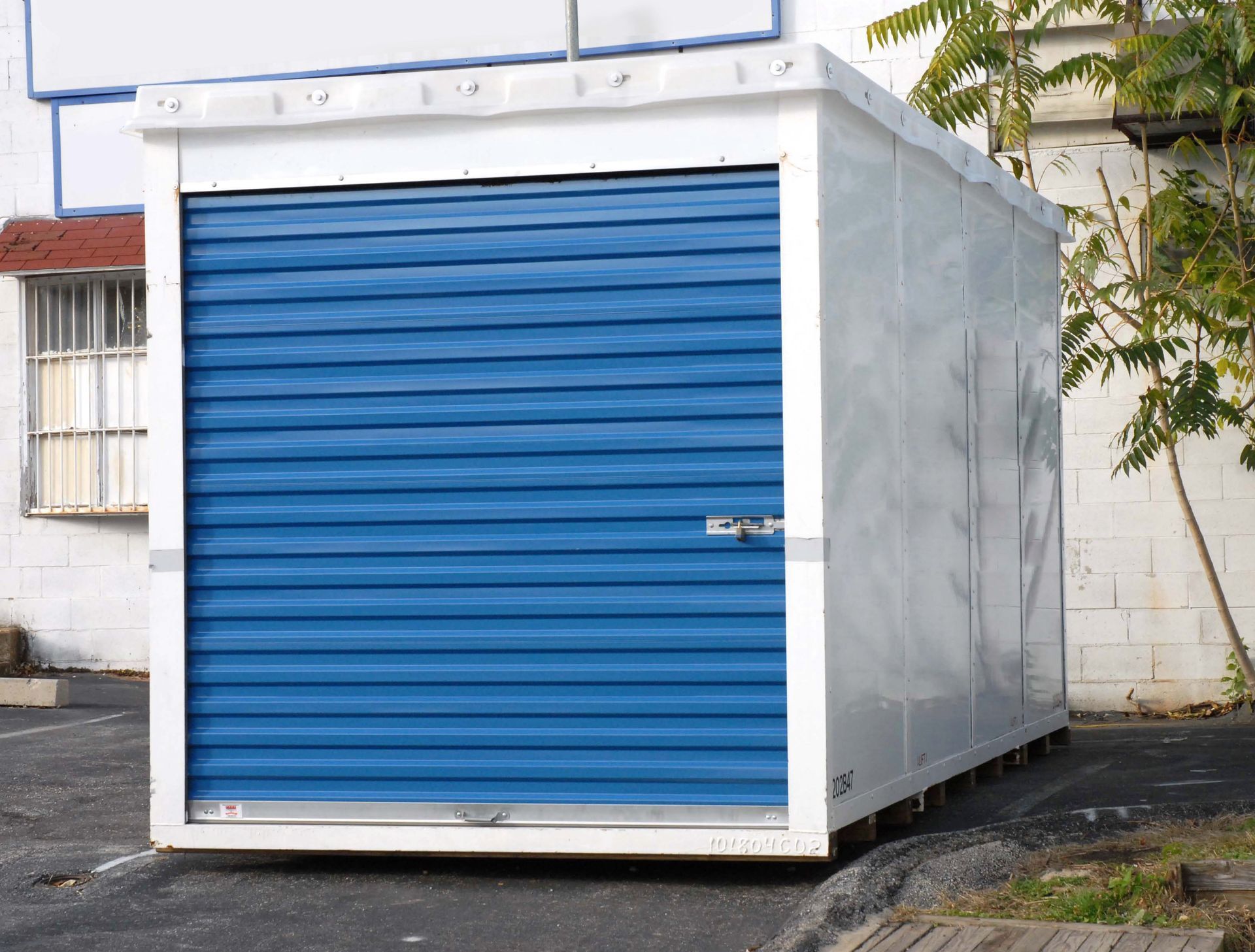
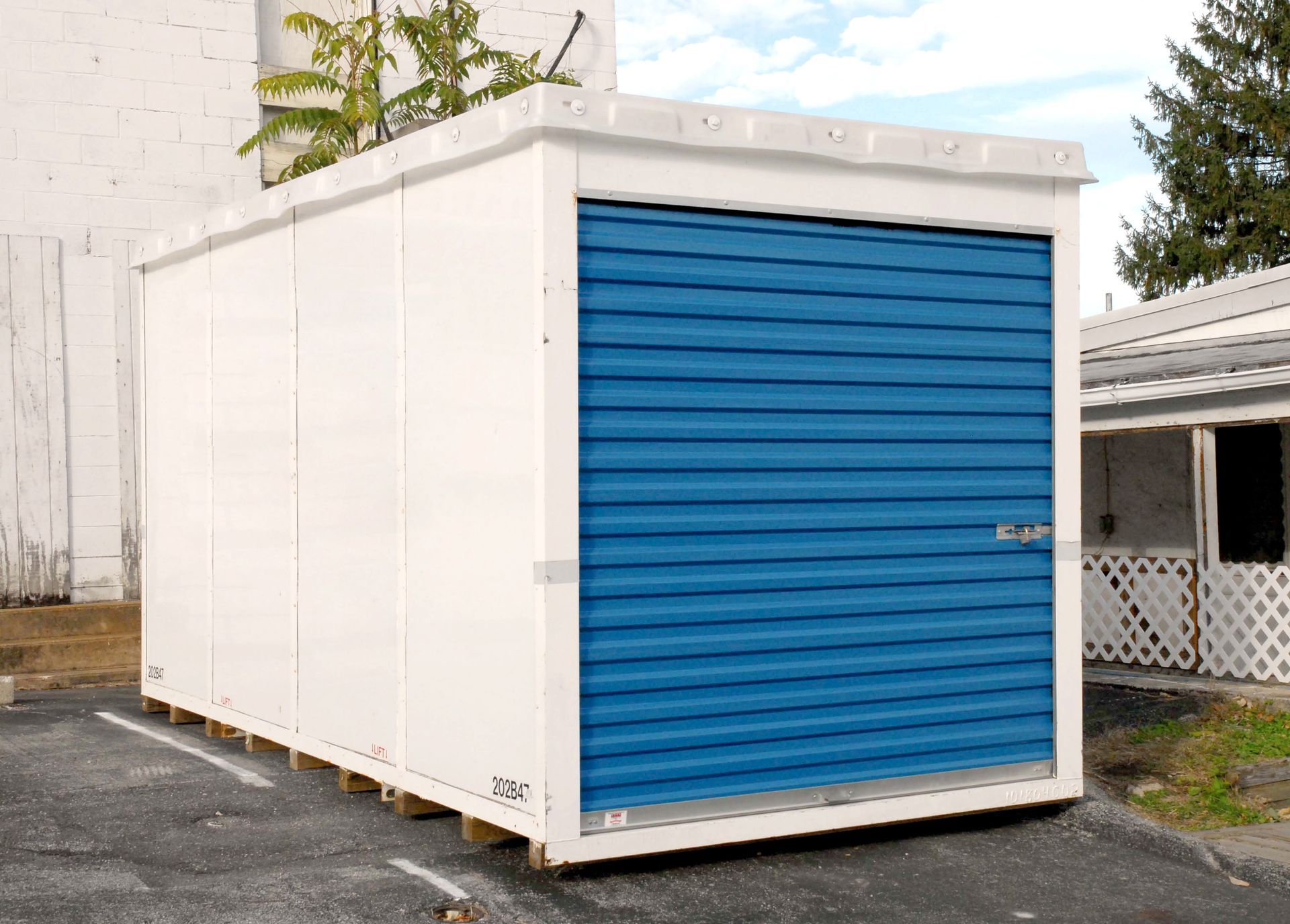
Portable storage containers offer flexible and adaptable storage solutions for many different needs. These containers are typically delivered to your desired location, providing convenience and portability for temporary or transitional needs. They are a practical choice for individuals or businesses looking to temporarily store belongings during moves or renovations. However, the pros of portability must be balanced with considerations such as weather-related protection and security. Over time, the convenience they offer can outweigh the challenges, making them a popular choice for a range of storage scenarios.
Shipping Containers
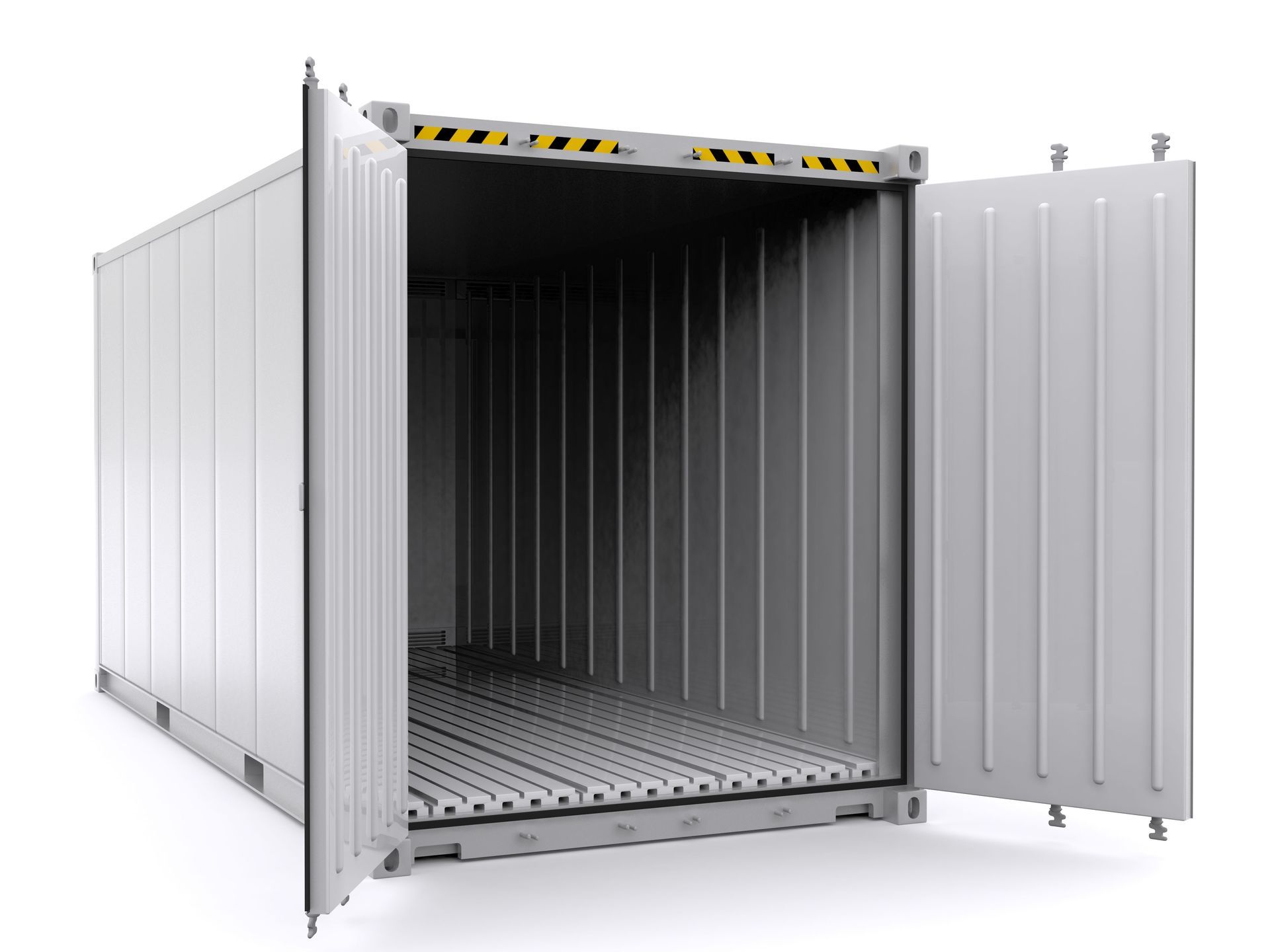
Robust and capacious, shipping containers are ideal for extensive storage requirements, often used by industries and businesses for large-scale storage solutions. Available in standard sizes like 20ft and 40ft, these containers offer scalability and security, affording ample space to store vast amounts of items. With the capability to accommodate contents like the entire stock of a sizable warehouse or household, shipping containers meet the needs of those looking to store large quantities at once. However, one must consider site logistics for container placement and potential permits required for long-term storage. Suitable for stationary storage, these containers prioritize volume and durability.
Self-storage Units
Self-storage units are stationary solutions, usually housed within a larger facility, which provides customers the flexibility to rent space according to their changing needs. These units range in size and offer excellent options for short-term or long-term storage, particularly for individuals looking to declutter or preserve seasonal items. With the added benefits of security and climate control options, self-storage units provide a protective environment away from home or office. However, renters should be cognizant of access hours and potential long-term rental costs. Unless careful consideration is given, these factors might inadvertently inflate the cost of storage beyond projections.
Climate-controlled Containers
In situations where the nature of stored items is susceptible to environmental conditions, climate-controlled containers are essential. These containers maintain consistent temperature and humidity levels, protecting sensitive items such as electronics, artwork, or important documents. While the added climate control function might mean a higher initial cost, the protection it offers is invaluable for preserving the condition and value of items. Given the nature of climate-sensitive products, potential users should regard these features as not only beneficial but sometimes necessary. Thus, for peace of mind and the longevity of stored items, climate-controlled units serve a crucial role.
Custom-built Containers
For those with highly specific storage needs not met by standard solutions, custom-built containers provide tailored storage options. These containers can include specialized features like additional shelving, unique dimensions, partitioning, or even specific materials to meet unique requirements. While they offer ultimate flexibility, the customization involved can lead to higher costs and longer lead times. The decision for custom-built solutions should factor in the precision benefits they deliver against potential startup costs. Ultimately, they provide an excellent choice for niche needs where standard storage units fall short, offering precisely what is necessary for specialized environments.
Accurate calculation of the required storage volume is crucial in selecting an appropriate container size. Utilization of mathematical methods, such as calculating the cubic volume of items, helps in precise estimation and prevents space wastage. An advanced understanding of spatial requirements, such as density and placement, aids in maximizing efficiency by carefully arranging items for optimal fit. Techniques like this ensure that over or underestimation does not occur, as both scenarios can lead to resource inefficiency and frustration. With better volume estimations, you are likely to reduce the need for last-minute adjustments or secondary storage solutions. Be sure to reach out to MAC'S Container Service LLC for more information on our professional container rental service!