August 6, 2026
In today's dynamic world, the need for additional storage solutions is growing rapidly. Whether for belongings or business inventory, storage containers provide a versatile and effective means. A storage container rental service can offer a flexible and convenient option for both individuals and businesses. However, to maximize the benefits of a storage container, it is crucial to ask the right questions before renting one. Let's outline a few essential questions to consider, ensuring you make an informed decision.
1. What Are the Dimensions of the Storage Container?
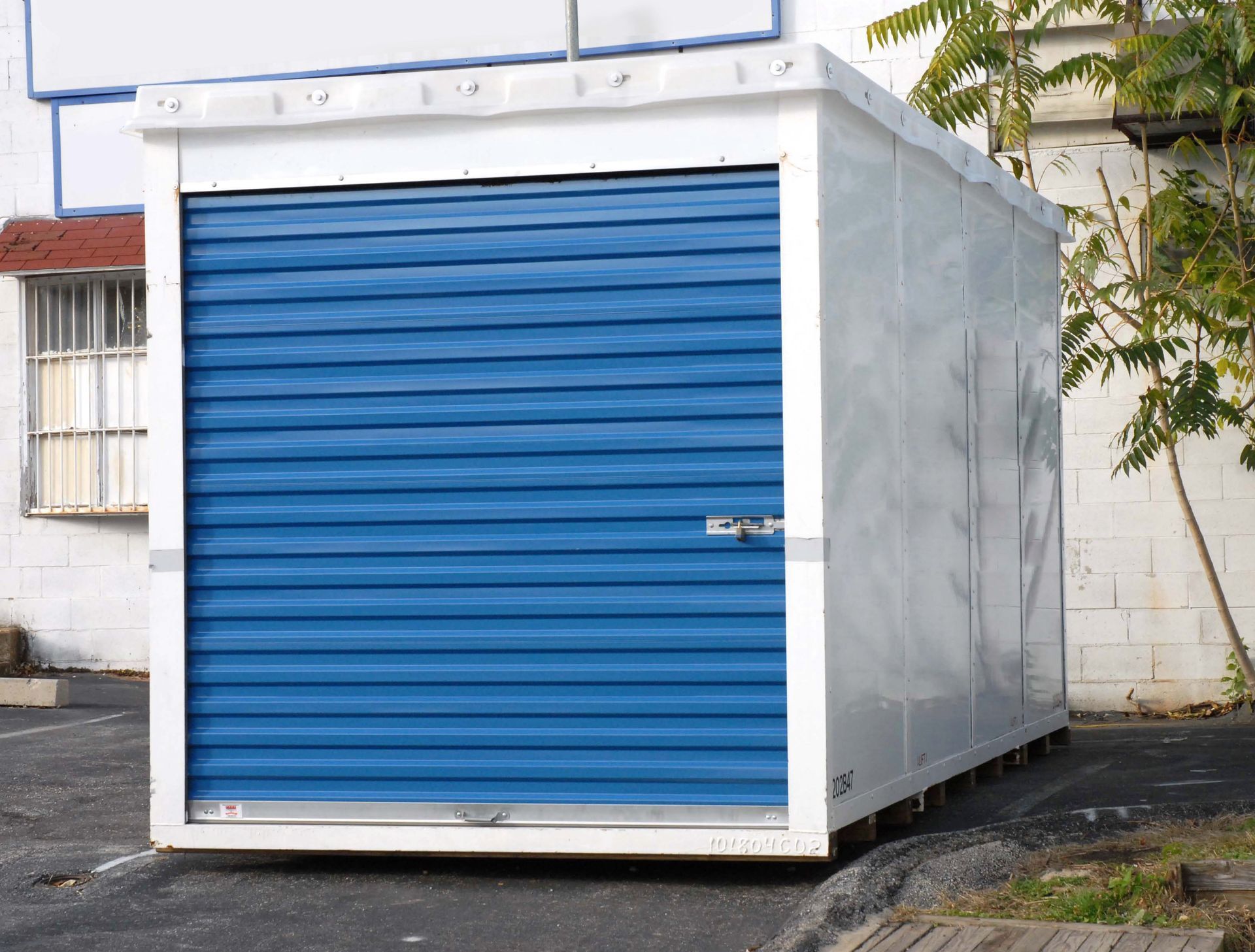
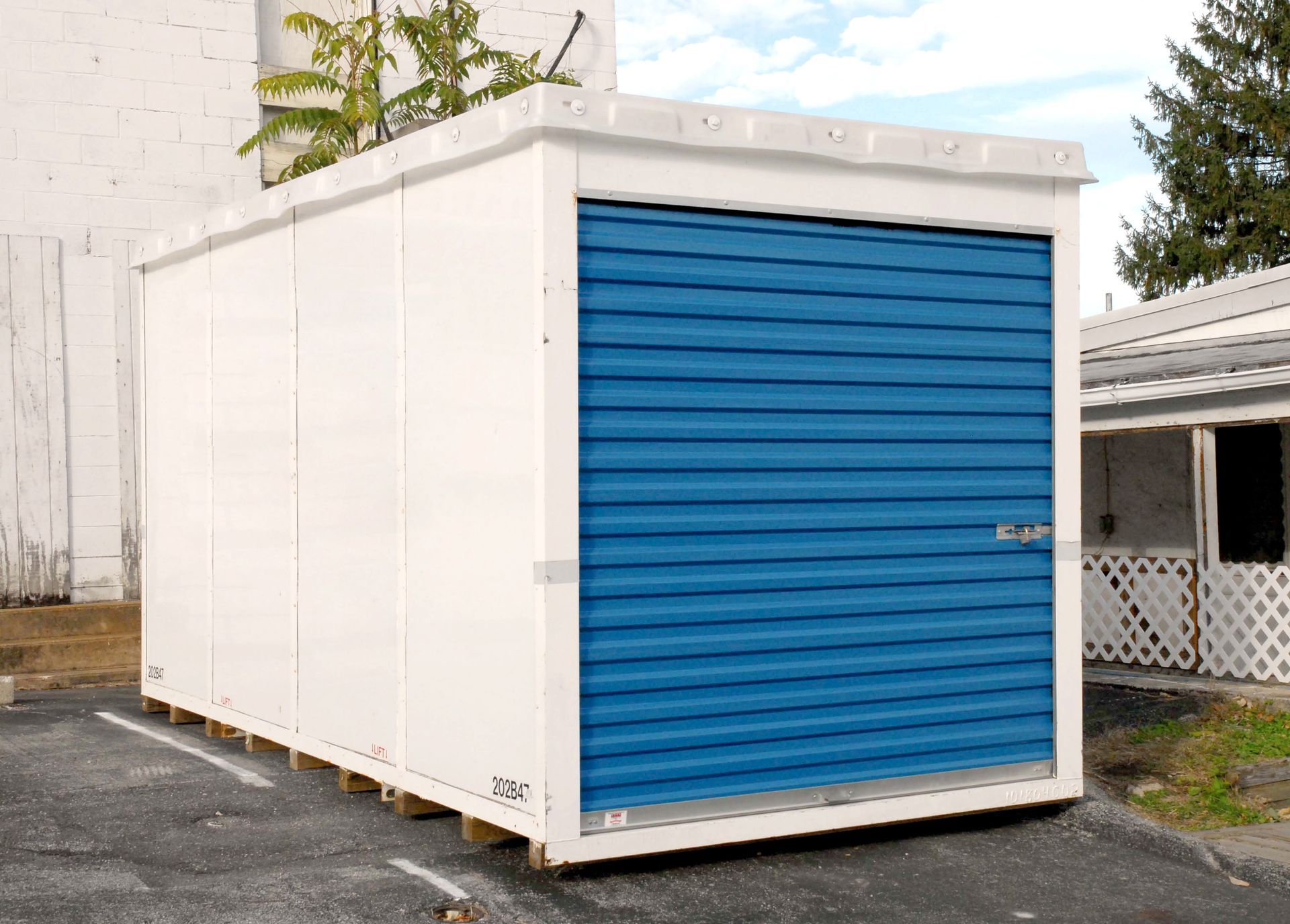
Dimensions are a critical factor when choosing a storage container. A commonly used size, according to Maritime Professionals, is the 20-foot-long container, which balances capacity and maneuverability. However, smaller and larger options are available to suit various needs. It's important to know your exact storage requirements to choose the best size from a storage container rental service. Consider not only your current needs but also anticipate future storage needs.
Understanding the standard sizes available is essential. Standard sizes include the 10-foot, 20-foot, and 40-foot containers. Each size offers different storage capabilities and may impact cost and accessibility. If your storage needs are unique, inquire about custom size options. Providers may offer custom solutions that better fit your specific requirements.
When considering dimensions, it is equally essential to thoroughly evaluate the physical space where the container will sit. A container may look manageable on paper, but on-site realities can quickly turn placement into a headache. Measuring your available footprint with precise clearance margins ensures not only that the container fits comfortably without obstructing driveways or utility access, but also that its heavy double doors can swing fully open without obstruction.
Choosing the right size upfront requires a balance between immediate storage needs and prospective growth. Selecting a container that is too small often leads to cramped conditions, requiring an inconvenient mid-lease upgrade or the hassle of renting a secondary unit. Conversely, opting for a strategically sized unit, or one slightly larger than your immediate baseline, gives you room to organize, build out interior shelving, and create clear walkways. This thoughtfully allocated breathing room directly mitigates accessibility issues, allowing you to quickly retrieve specific items from the back without having to haul out half the contents first. Ultimately, taking a measured, flexible approach to sizing future-proofs your decision, saving you significant time, labor, and unexpected logistical expenses down the road.
2. How Secure Is the Storage Container?
Security is paramount when selecting a storage container. Understanding the locking mechanism is crucial, as diverse options exist, ranging from simple padlocks to sophisticated electronic locks. The effectiveness of these locks can influence your container's security. Evaluate the type of lock you are comfortable with, taking into account ease of use alongside security strength.
Material durability directly impacts the security of stored items. Storage containers are typically constructed from steel or aluminum, known for their resilience and robust security capabilities. This durable build guards against potential break-ins and withstands harsh environmental conditions. However, all materials are not equal, so verify the construction quality of your rental container beforehand.
Beyond materials and locks, ask about additional security features. A storage container rental service might offer alarms, surveillance cameras, and excellent lighting to deter theft. Location security is equally important; storage facilities must offer a secure environment, mitigating risk factors. Inquire about insurance options to protect against unforeseen incidents like theft or damage.
3. What Is the Condition of the Storage Container?
The container's condition is indicative of both value and longevity. Prior to rental, ensure a thorough inspection to identify damage that could compromise integrity. Checking for holes, rust, or signs of wear will help assess whether prospective containers meet your standards. Create a checklist to aid in these inspections, ensuring no detail is overlooked.
Understanding the container's maintenance history can offer insights into its reliability. Ask the storage container rental service how frequently maintenance has been conducted, including repairs and upgrades. A well-maintained container is more likely to offer robust protection and longer service life. Furthermore, inquire about the age of the container to foresee potential future issues.
Container weather resistance is another vital consideration. Assess its ability to withstand various weather conditions by checking water-resistance features like seals and gaskets. Understanding local climate challenges, such as heavy rainfall, will inform your decision. Cleanliness standards of the provider, including odor control and sanitation practices, are also part of container condition assessment.
4. What Are the Terms and Costs Involved?
Before renting, an understanding of rental fees is fundamental. Costs often differ based on container size, duration, and added features. Budgeting for monthly or yearly costs and evaluating them against your financial plan is essential. Moreover, inquire if rental agreements allow for flexibility, such as short-term rentals or week-to-week leases.
Be vigilant for additional charges beyond the base rental fee. Common hidden fees might include security deposits or penalties for late payments. Familiarize yourself with these aspects to avoid surprises. Request an itemized breakdown of potential costs to ensure clarity and maintain budget transparency.
Before signing, thoroughly assess the lease agreement's terms. Understand policies regarding lease renewals, potential penalties, and payment terms. Some providers may offer diverse payment methods, each with specific terms and conditions. Additionally, explore the cancellation policy, crucial if future adjustments arise, to estimate any potential administrative fees.
5. Where Will the Storage Container Be Located?
The container's location plays a pivotal role in its functionality. Begin by deciding if you need the container on-site at your premises or positioned off-site at a designated facility. Both options have distinct benefits and drawbacks. For instance, an on-site container offers immediate access, whereas off-site can enhance security.
Proximity considerations impact accessibility and convenience. Calculate the distance between the storage location and your home or business, and evaluate the logistical implications. Consider transport costs, the frequency with which you'll access stored items, and the time required to reach the facility. Ensure the chosen site aligns with your use case scenario and practical logistics.
Zoning regulations might affect container placement, especially in urban or residential areas. Understanding local rules will avoid penalties or conflicts with authorities. Assess the site terrain as well, ensuring that it's stable and allows easy access. Additionally, consider environmental factors like flood zones or harsh weather exposure, which may impact or damage the container over time.
6. Are There Any Additional Services or Features Available?
A storage container rental service will often offer ancillary services enhancing the rental experience. Understanding if delivery and setup are available helps plan logistics efficiently. Professionals can adequately position the container, ensuring stability and accessibility. This service might incur extra costs, but the convenience may outweigh the expense.
Climate control options should be explored for stored items sensitive to temperature changes. Containers with heating or ventilation systems can safeguard against climate fluctuations. Some providers offer insulated containers or dehumidifiers for this purpose. For items requiring careful storage conditions, such investments offer essential protection.
Shelving and organizational features can optimize container interior space. Customizable layouts prevent clutter, ensuring ease of access and maximizing space. Inquiry about multi-container discounts, especially if renting more than one unit, can result in financial savings. Additionally, understand upgrade opportunities, allowing specification refinement mid-lease to adapt to evolving storage needs.
Renting a storage container can be an excellent solution to meet your storage needs, but it requires careful evaluation. By addressing these must-ask questions, you'll not only find the right storage container but also secure peace of mind. Each aspect of the decision, from dimensions and security to location and additional features, requires diligent consideration. You can ask all these questions and more when you reach out to the experts at MAC's Container Service LLC.